








Diversity as Strength or Weakness
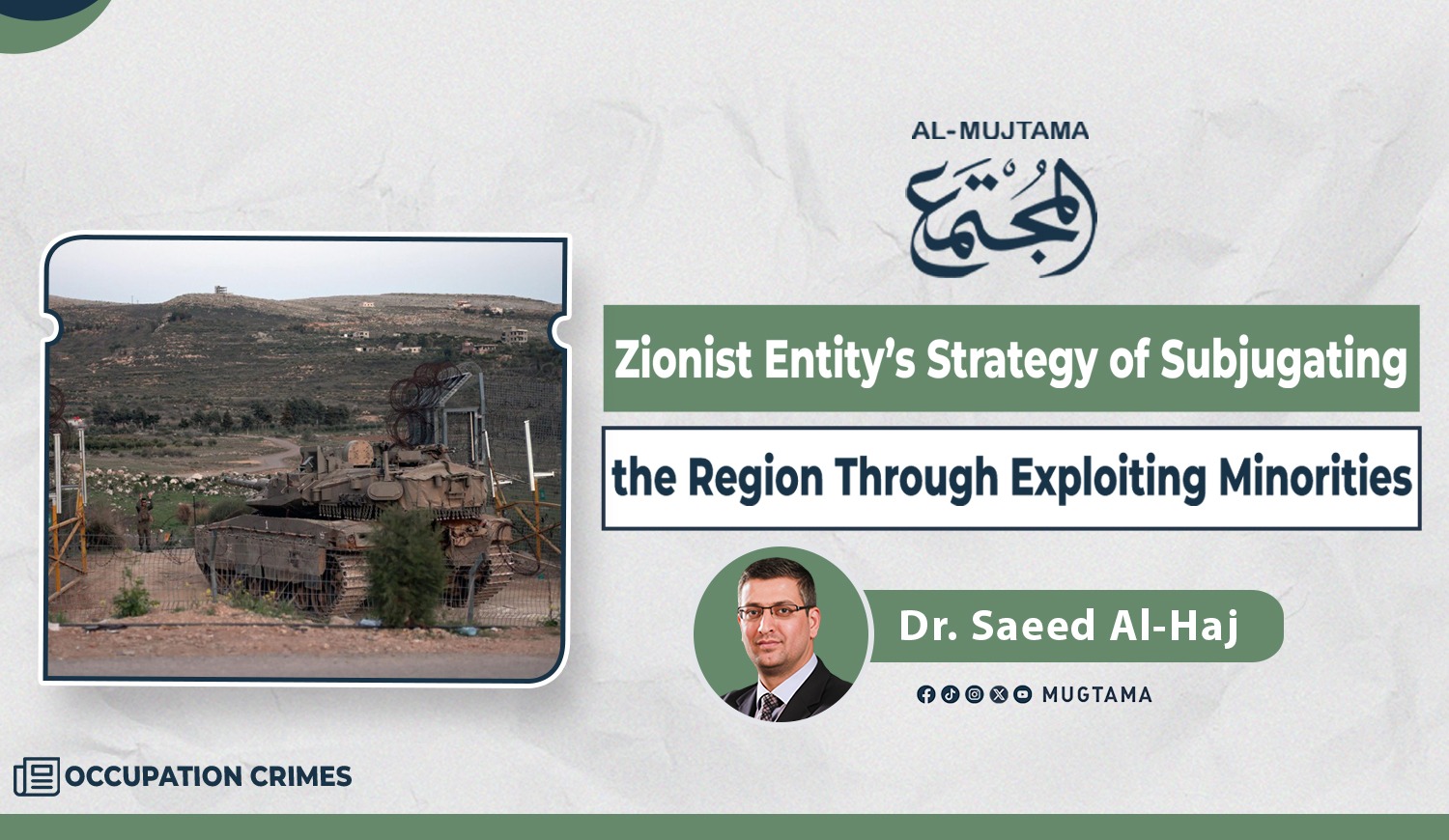
Zionist Entity’s Strategy of Subjugating the Region Through Exploiting Minorities
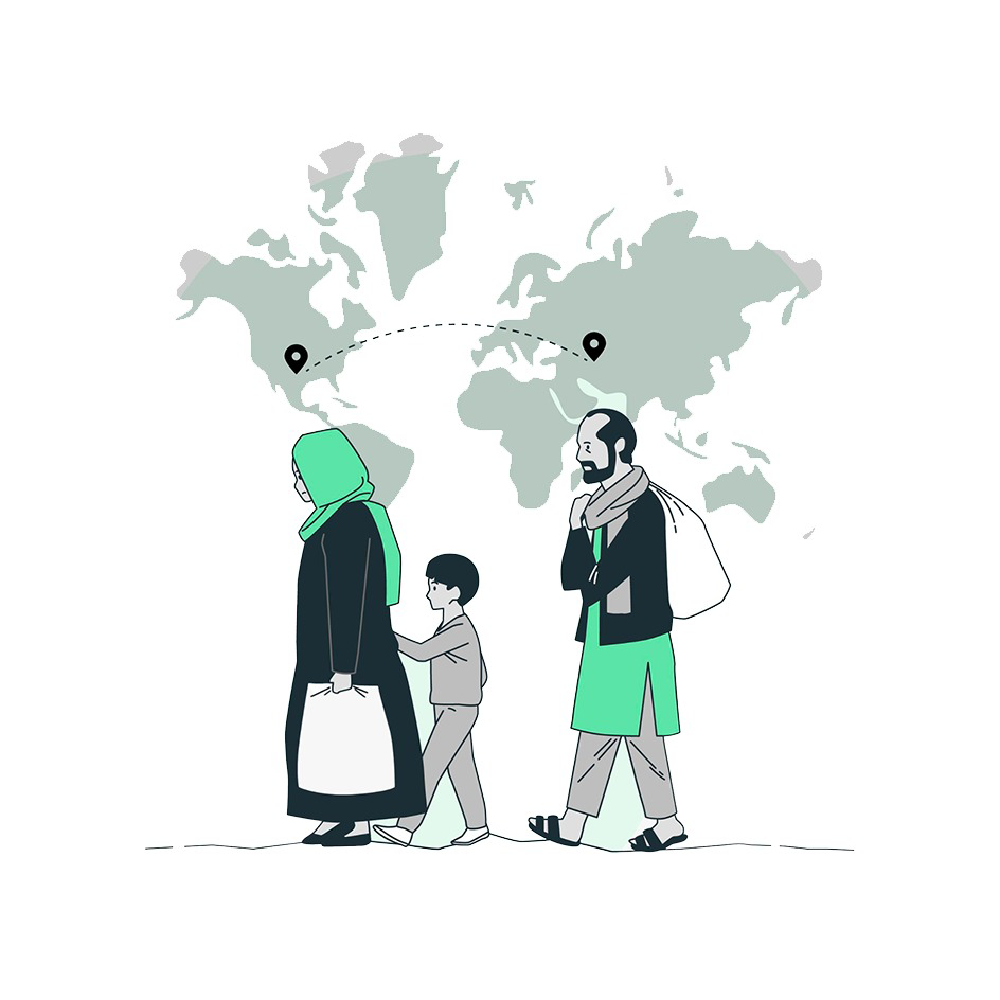
Despite the many commonalities across the Arab and Islamic world that often allow it to be discussed as a single unit, the region is marked by striking diversity in ethnicities, races, religions, and sects. Arabs, Turks, Kurds, Persians, and Amazigh coexist alongside Muslims and Christians, Sunnis, Shiites, Alawites, Druze, and others.
This diversity should be a source of richness, strength, and
integration. Yet in recent decades it has increasingly become a source of
disputes, conflicts, and wars that have fragmented some Arab and Islamic
states, weakened others, and left many trapped in cycles of failure and
paralysis.
Israel and the Principle of Deterrence
From its inception, the Zionist entity recognized its
fundamental dilemma: it was alien to the region’s fabric, rejected and despised
by its peoples. This meant it would always face an existential threat unless it
remained strong enough to deter or defeat such threats.
Thus, Israel’s security doctrine was built on
deterrence—preventing any party from even considering attacking it. To achieve
this, Israel had to remain stronger, wealthier, and more stable than the
surrounding states, ideally stronger than the collective Arab and Islamic
world.
Because strength is relative, Israel’s power depends
not only on its own capabilities but also on weakening its adversaries—current,
future, and potential.
The “Iron Wall” Principles
Founders of Zionist military and security thought, including David Ben-Gurion and Jabotinsky (author of the “Iron Wall” theory), articulated
principles to ensure Israel’s permanent superiority:
1. Peripheral Alliances: Partnering with non-Arab states
around the Arab world—Turkey, Iran, Ethiopia—through “periphery alliances,”
such as the 1958 framework agreement with Ankara and Tehran.
2. Minority Alliances: Cooperating with ethnic and
sectarian minorities in the region.
3. Fueling Internal Conflicts: Encouraging disputes
between states and within states, diverting energies inward and away from
confronting Israel, while presenting itself as an ally to some against others.
4. Weakening Major States: Undermining and, if possible,
dividing large neighboring states seen as future threats.
5. Fragmentation by Identity: Dividing Arab and Islamic
states along ethnic, religious, and sectarian lines, ensuring perpetual
internal conflict and granting Israel implicit legitimacy as “one minority
state among many.”
These principles, embedded in Zionist literature, have
repeatedly been applied. Israel has directly intervened in Lebanon, Syria,
Iraq, Iran, and elsewhere, while encouraging separatist movements from South
Sudan to northern Iraq, northern Syria, southern Yemen, and even recognizing
Somaliland’s independence.
The Syrian Case
In post-Assad Syria, these principles are evident. In Sweida,
Israel claims to protect Druze interests, exploiting ties with Druze leaders in
occupied Palestine, openly encouraging secession under the “David’s Corridor”
project, even bombing Syrian army forces under the pretext of protecting Druze
minorities.
In eastern Euphrates, Israel supports the separatist project of the Syrian Democratic Forces (SDF), with voices inside Israel calling for direct military support against Damascus and Ankara. SDF leaders and the PKK acknowledge their ties and expectations of Israeli backing.
Strategic Implications
Historical evidence and theoretical foundations confirm
Israel’s strategies are driven by self-interest: weakening and dividing Arab
and Islamic states to impose regional dominance. Its priority is not genuine
alliances but exploiting divisions.
After the “Al-Aqsa Flood” operation, Israel shifted its
security doctrine from deterrence to preemptive strikes—attacking potential
threats before they emerge, including occupying territory and imposing
buffer zones.
Confronting Fragmentation Projects
Fragmentation and division projects are destructive forces
serving foreign occupiers, not regional peoples. Confronting them is a vital
arena of struggle against Israel and a means of protecting Arab and Islamic
states, especially in the Middle East.
Governments, elites, and peoples must recognize this strategic danger and confront it by strengthening internal unity, not weakening it; by facing the common enemy, not being deceived by illusions of shared interests; and by building cooperation and alliances to resist the greater threat that targets all.