









A Warning to Youth: 6 Health Risks Caused by Energy Drinks
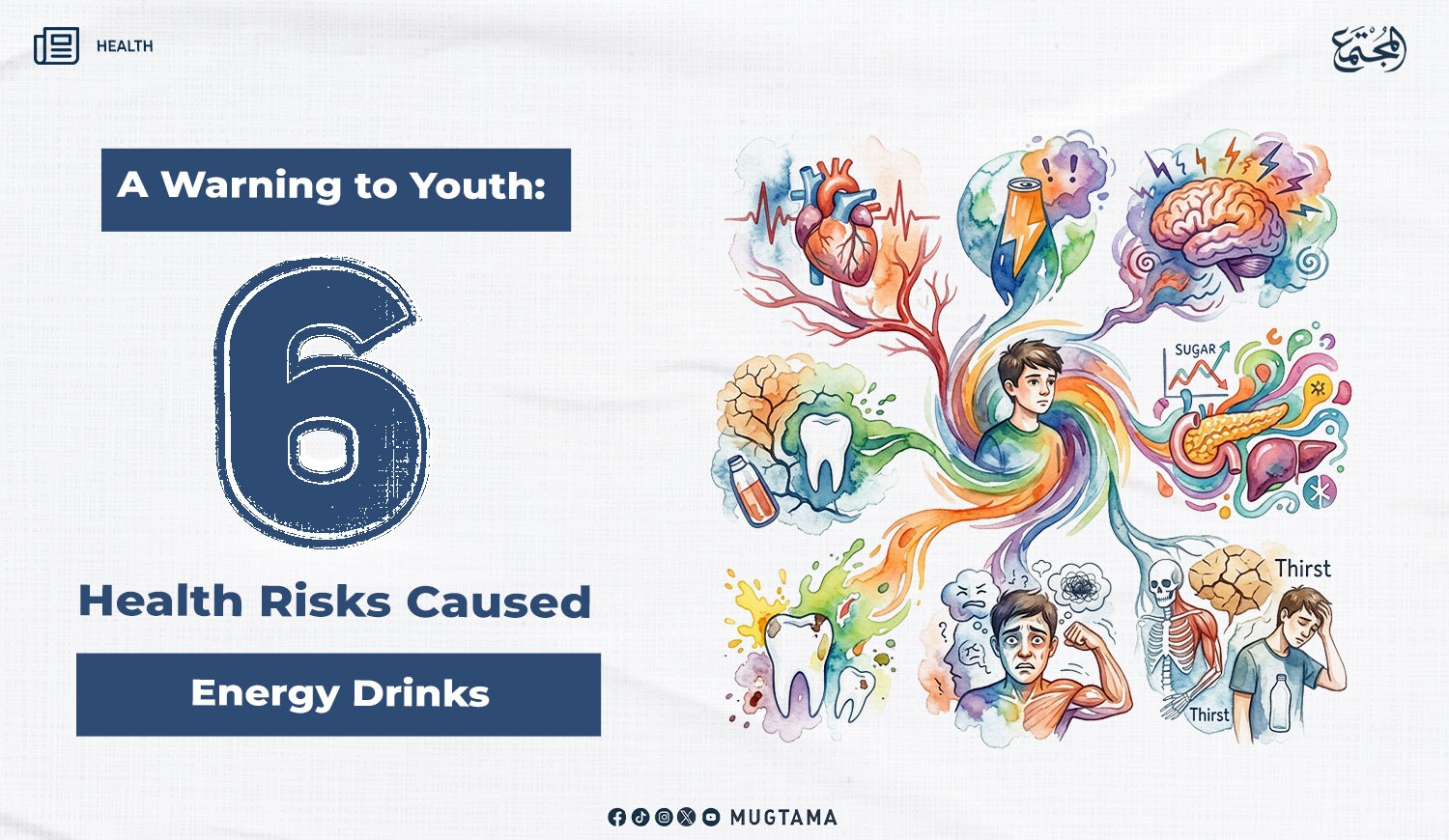
Many children,
adolescents, and young people consume what are known as “energy drinks,”
believing that they boost vitality and activity, provide the body with
beneficial nutrients, and enhance physical performance.
Recent studies
indicate that teenagers and adults up to the age of 30 are the groups most
inclined to consume these drinks, often without realizing that a single can is
equivalent to drinking three cups of coffee and consuming 12 teaspoons of
sugar.
It is worth
noting that energy drinks have not received any official classification from
recognized authorities as healthy beverages. The European Food Safety Authority
also rejects marketing them as beneficial to the body. In fact, some major
countries, including the United Kingdom, are considering banning their sale to
children under the age of 16.
What is
particularly concerning is that advertising and marketing companies attempt to
mislead consumers by presenting these products as refreshing and healthy drinks
that contain caffeine, vitamins, sugars, and other ingredients.
This serves as
a warning to adolescents and young people not to be deceived into consuming
energy drinks, which carry serious health risks, summarized as follows:
First: The World
Health Organization warns against excessive consumption of energy drinks,
especially among children, individuals under the age of 18, pregnant women, and
those sensitive to caffeine. International experts advise avoiding them, as
they may pose a risk to overall health.
Second: Increased consumption of energy drinks raises the
likelihood of negative side effects such as cardiac arrest and myocardial
infarction. According to a recent medical study by the American Heart
Association, caffeine-containing energy drinks can alter the pathway and
strength of the heart’s electrical activity.
Third: Energy drinks containing caffeine can elevate blood
pressure and negatively affect the cardiovascular system. They may also be
associated with increased blood viscosity, which can lead to fatigue, shortness
of breath, and blood clotting incidents.
Fourth: These drinks contribute to anxiety, insomnia, and
muscle spasms. Some energy drinks contain between 100 and 200 milligrams of
caffeine, in addition to other stimulants that adversely affect the nervous
system.
Fifth: Children are the most vulnerable to the dangers of
energy drinks. Due to their smaller body size and lower muscle mass, they are
more susceptible to caffeine toxicity. This necessitates regulating and
limiting their caffeine intake, according to the Spanish journal “Mejor con
Salud.”
Sixth: Energy drinks increase the risk of obesity, high
blood pressure, tooth decay, and diabetes. Sugar, in particular, is one of the
most widely consumed components, as every 100 milliliters of these drinks
contains between 10 and 12 grams of sugar. This means that a single can may
contain more than 30 grams of sugar, exceeding the maximum daily intake
recommended by the World Health Organization.
Read Also:
-
Coffee drinking habit leads to lower mortality risk, study find
-
Type 2 Diabetes: The Silent Killer and Its Hidden Symptoms!
-
6 Essential Tests for Your Health
-------------------------------------------------------------