






Why India Silenced 'The Voice of Hind Rajab'? 5 Reasons
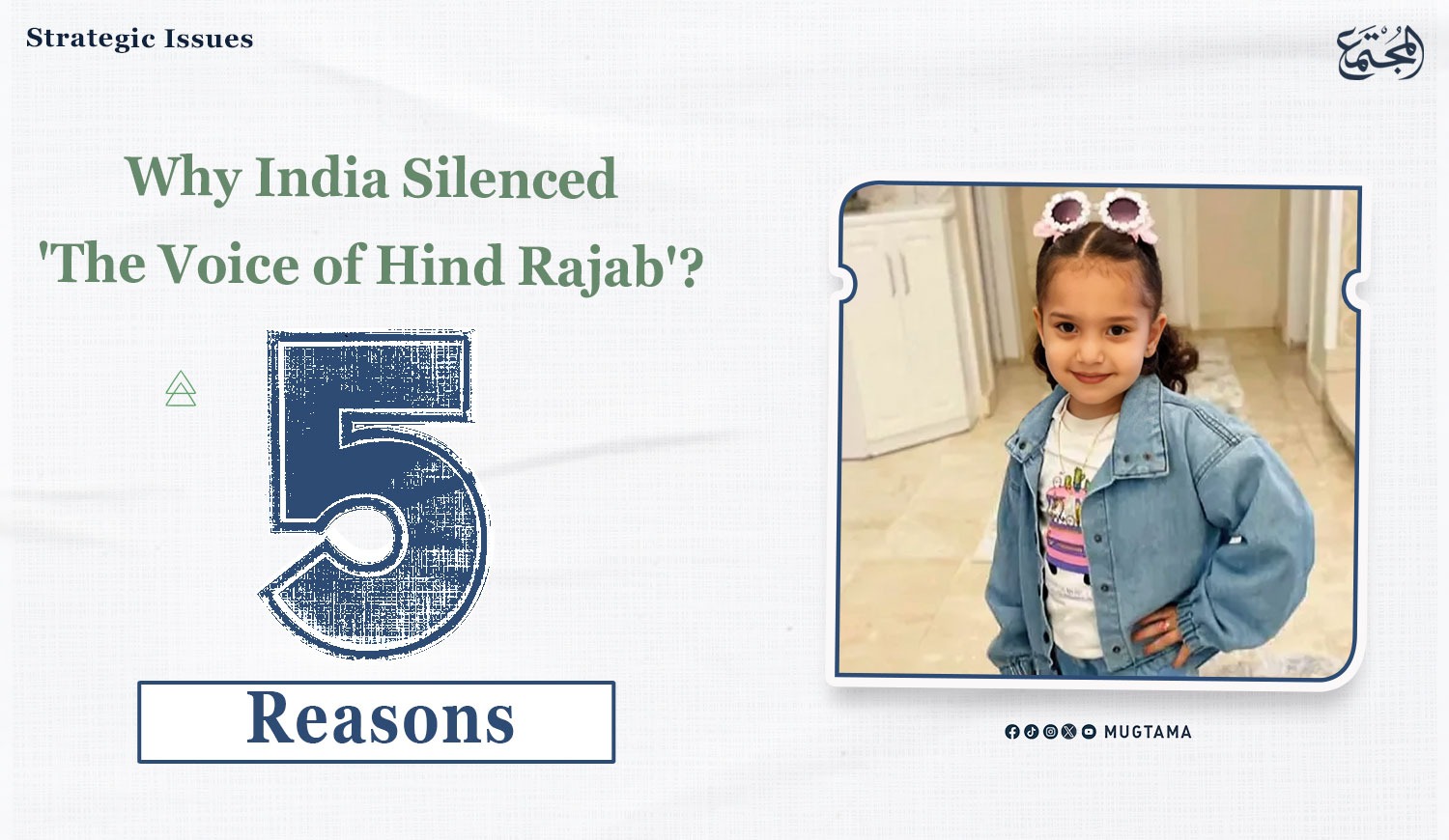
In 2026, Hind Rajab’s story shook the foundations of world
cinema. The Oscar-nominated documentary The Voice of Hind Rajab, directed by
Kaouther Ben Hania, did more than captivate audiences—it pierced their hearts.
With raw, unflinching power, it portrayed the harrowing final hours of a
six-year-old Palestinian girl, cornered by relentless Zionist gunfire in Gaza.
Trapped inside a car where her entire family had already been slaughtered,
Hind’s desperate cries echoed against the silence of a world that watched. Even
the ambulance crew who rushed to save her was deliberately executed by
Zionists, a chilling act carried out in plain sight. This film was not just a
story—it was a searing indictment, a cry of truth that demanded the world bear
witness.
Now, the film faces a similar fate in India, reflecting bias
toward Zionist aggression and an attempt to conceal its documented crimes. The
Central Board of Film Certification banned its screening in cinemas in March
2026. This decision was met with widespread condemnation both inside and
outside India.
Below are five reasons that drove India to ban this film,
which exposes Zionist crimes and brutality:
1. Pretext of Protecting Strategic Relations with Zionist entity
The Bharatiya Janata Party government considers strengthening
the “strategic partnership” between India and Zionist entity more important
than exposing Zionist crimes. Over the past decade, India has become the
largest buyer of Zionist military equipment, while the two countries closely
cooperate in intelligence and technology. Reports indicated that board
officials stated that screening a film portraying the Zionist army in an
extremely negative light could cause a diplomatic rift or disrupt vital
bilateral relations—disregarding freedom of expression.
2. Depiction of a Real Incident Exposing Zionist Crimes
Unlike many fictional war dramas, The Voice of Hind Rajab is
based on real emergency call recordings between five-year-old Hind Rajab and
the Palestinian Red Crescent. These shocking, undeniable evidences of Zionist
actions were deemed “incendiary!!” by Indian censors, who argued the film could
provoke strong and unpredictable emotional reactions from audiences.
3. Pretext of Fear of Polarization
The Indian government, already aligned with Zionist entity,
claimed the content might spark social and political friction domestically,
given India’s complex demographics and the historical sensitivity of the
Palestinian-Zionist conflict. Authorities feared the film’s screening could
lead to widespread protests or sectarian tensions. Thus, the ban was presented
as a “preventive measure” to maintain internal public order.
4. Convictions and Affiliations of the Bharatiya Janata Party
For decades, India pursued a “balanced” approach toward the
Middle East. However, recent years have seen a shift under the leadership of a
hardline Hindu nationalist party, leaning toward Zionist entity, whose racist
ideology mirrors its own. By banning the film, India under the BJP signals its
departure from its traditional role as a staunch defender of Palestinian
rights, prioritizing narrow ideological and sectarian interests.
5. Growing Trends of Preemptive State Control and Censorship of Media and Culture
Critics and filmmakers view the ban as part of a broader trend
of expanding “state censorship” and control over media and the arts. In late
2025 and early 2026, several Palestinian-themed works were withdrawn from major
Indian festivals. By banning The Voice of Hind Rajab, the Central Board of Film
Certification draws a “red line” for Indian distributors: content that
challenges the state’s current foreign policy stance is unlikely to reach
cinemas.
Meanwhile, the film’s distributor, Manoj Nandwana, continues to appeal to the review committee, but silence prevails. This ban has transformed Hind Rajab’s story into a symbol of the struggle between artistic truth and opportunistic state policies aligned with racist ideologies.