




Slavery: Humanity’s Darkest Crime
What Is the Worst Crime Against Humanity?

Human Rights
Throughout history, humanity has witnessed countless
atrocities. Which stands as the most horrific? Was it the Crusaders’ massacres,
the Mongol invasions, the Spanish Inquisition, or the extermination of Native
Americans through warfare, epidemics, and forced displacement? Was it the
Soviet regime’s brutal oppression of Muslims, Belgium’s colonial crimes in the
Congo that wiped out half the population, or Germany’s genocide in Namibia?
Perhaps it was the carnage of World War I, which claimed 22
million lives, or the even bloodier World War II, with 85 million dead and the
first use of nuclear weapons against Japan. Could it be the Vietnam War, the
Soviet invasion of Afghanistan, or the colonial massacres in Africa and Asia,
such as the millions killed in Algeria? Or the barrel bombs in Syria that
killed nearly a million and displaced millions more? And who can forget the
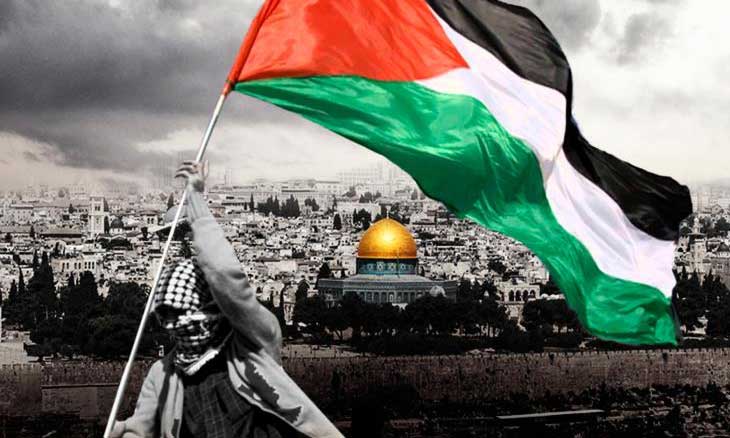
ongoing crimes of Zionism—massacres, displacement, and genocide, especially
against children in Gaza and across Palestine?
Yet, in March of this year, the United Nations General
Assembly declared another crime to be the “worst crime against humanity.”
The Crime of Slavery: Stolen,
Shackled, and Shipped
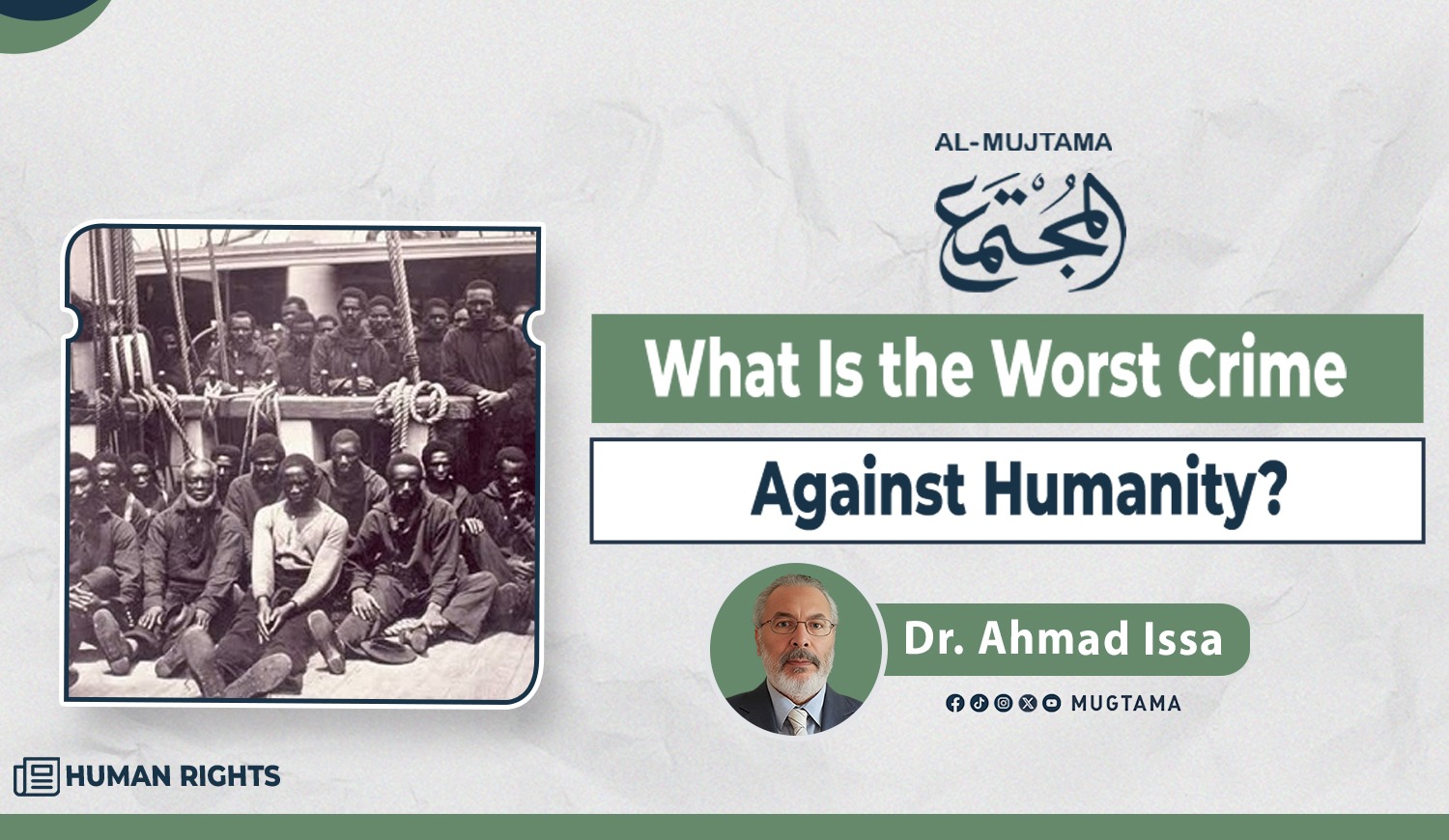
That crime is slavery through the transatlantic slavetrade. For more than 400 years, millions of Africans—especially from the
so-called “Slave Coast” along West Africa’s Atlantic shore—were kidnapped,
chained, and shipped to the New World.
They were forced into grueling labor in cotton fields, sugar
plantations, and coffee farms under scorching heat and the lash of the whip.
Stripped of their humanity, even of their names, they endured generations of
exploitation. The legacy of this crime remains visible today in the form
of systemic racism and discrimination against Black communities worldwide.
The UN resolution stated:
“The trafficking and racial enslavement of Africans
constitutes the gravest crime against humanity, due to its brutality, its
decisive rupture in world history, its massive scale, its systematic nature,
and its enduring consequences that continue to shape lives through racist
systems of labor, property, and capital.”
European Criminality
Between the 15th and 19th centuries, 15 to 30 million men, women, and children were captured in Africa and transported to the Americas
as slaves. They were sent to colonies controlled by European powers such as
Spain, Portugal, France, and Britain.
It is estimated that two million people died during the
voyage aboard infamous slave ships. The scars of centuries of exploitation
remain evident today, with both African nations and diaspora communities
suffering from social and economic deprivation and racial inequality.
The UN resolution called for reparations—a form of
restorative justice. It was supported by 123 countries, while 52 abstained,
including Britain and several EU states. The United States, Argentina, and
Israel voted against it.
Reparations: A Debt Unpaid
For over a century, affected nations have demanded
reparations. Germany, for example, has paid more than $80 billion since 1952
to Jewish victims of Nazism, including payments to the State of Israel. Yet no
country has ever compensated descendants of enslaved Africans or the nations
devastated by slavery.
A judge at the International Court of Justice estimated that 31
countries collectively owe $107 trillion in reparations. These include
Brazil and the United States, which profited immensely from slave labor after
gaining independence from Portugal and Britain.
The Church of England’s Complicity
The Archbishop of Canterbury publicly apologized for the
Church of England’s historical involvement in slavery. Its investment fund had,
for over a century, poured large sums into a company responsible for
transporting slaves.
The Archbishop admitted:
“This vile trade took men, women, and children, stripped them
of dignity and freedom. The fact that some within the Church supported and
profited from it is a source of deep shame.”
Modern Slavery: A Growing Challenge
Slavery did not end with abolition. A UN report described modern slavery as a growing global challenge. According to the International
Labour Organization, 50 million people—one in every 150—are trapped in
forced labor or forced marriage.
The COVID-19 pandemic worsened extreme poverty, while wars,
armed conflicts, and climate change created conditions ripe for exploitation.
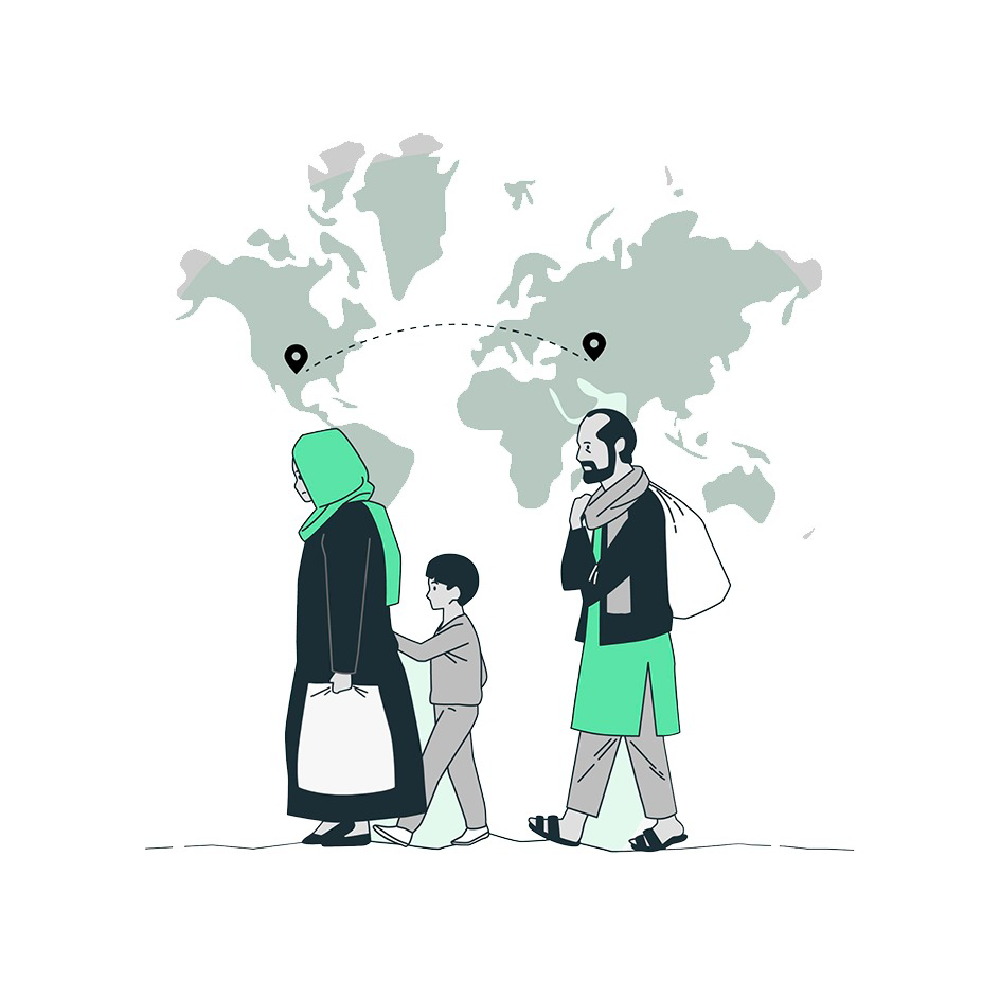
Children are recruited as soldiers or forced into labor, while migrants fleeing
hardship often fall prey to modern forms of enslavement.
Forms of Modern Slavery
Modern slavery is a broad term encompassing the exploitation
of vulnerable people for economic gain, often involving coercion, fraud, or
abuse. It includes:
1. Forced Labor: 28 million people, including 3.3
million children, compelled to work against their will. Over half of these
children suffer commercial sexual exploitation.
2. Debt Bondage: People forced to work to repay
debts, often impossible to clear.
3. Inherited Slavery: Individuals born into slavery,
treated as property.
4. Forced Marriage: 22 million people married
against their will, unable to escape.
5. Domestic Servitude: Household workers exploited and
abused behind closed doors.
Migrant workers are especially vulnerable, trapped in
construction, mining, agriculture, garment industries, and domestic work, often
unable to return home.
Islam: The Liberator of Slaves
Islam emerged as a force of liberation. God created humans
with free will, and no one has the right to strip that away. Unlike other
systems, Islamic texts contain no command to enslave. Instead, the
Qur’an and Hadith are filled with calls to free slaves.
At the dawn of Islam, slavery was widespread, with few paths
to freedom. Islam reversed this reality: it blocked the sources of enslavement
and multiplied the avenues of liberation, even making emancipation part of
obligatory charity and acts of worship.
The Prophet Muhammad (peace be upon him) said:
- “Visit
the sick, feed the hungry, and free the captive.”
(Bukhari)
- In a
divine narration: “Three types of people I will oppose on the Day of
Judgment: one who betrays after making a promise in My name, one who sells
a free person and consumes the price, and one who hires a worker, takes
full work, but does not pay him.” (Bukhari)
Humane Treatment of Prisoners
Before Islam, prisoners of war were either killed or enslaved.
Islam introduced a new ethic: justice, mercy, and release. At the Battle of
Badr, captives were freed through ransom. During the conquest of Mecca, the
Prophet declared: “Go, for you are free.”
In the Battle of Banu al-Mustaliq, the Prophet married
Juwayriya bint al-Harith, daughter of a tribal chief. Out of respect for her,
Muslims freed all her people—about 100 households.
A Timeless Declaration of Freedom
History immortalizes the words of Caliph Umar ibn al-Khattab: “Since
when do you enslave people, when their mothers bore them free?”
This was proclaimed over 1200 years before Britain abolished
slavery in 1833 and before U.S. President Abraham Lincoln signed the
Emancipation Proclamation in 1865.
Humanity Still Fails
Despite Islam’s liberating vision, the world continues to
commit horrific crimes against humanity. Slavery—both historical and
modern—remains one of the darkest stains on human civilization.
The UN’s recognition of the transatlantic slave trade as the worst
crime against humanity is a reminder that the struggle for justice is far
from over. Until reparations are made, modern slavery is eradicated, and
dignity is restored, humanity will continue to betray its own values.